Adrère Amellal
At the foot of the flat-topped holy mound, towards the suburban oasis of the White Mountain — the third leg of the tripod.
“Life is rich with memorable encounters and further enriched by friendly conversations and emotional exchanges, often occurring around a dining table.”
Ever since my childhood, I looked forward to these encounters over a lunch, a dinner, or mezza and drinks, only to find endless joy at each one of these daily intermissions. This website, like the book, is about conserving and sharing the content of precious experiences — in the hope that it would inspire and entertain its visitors.
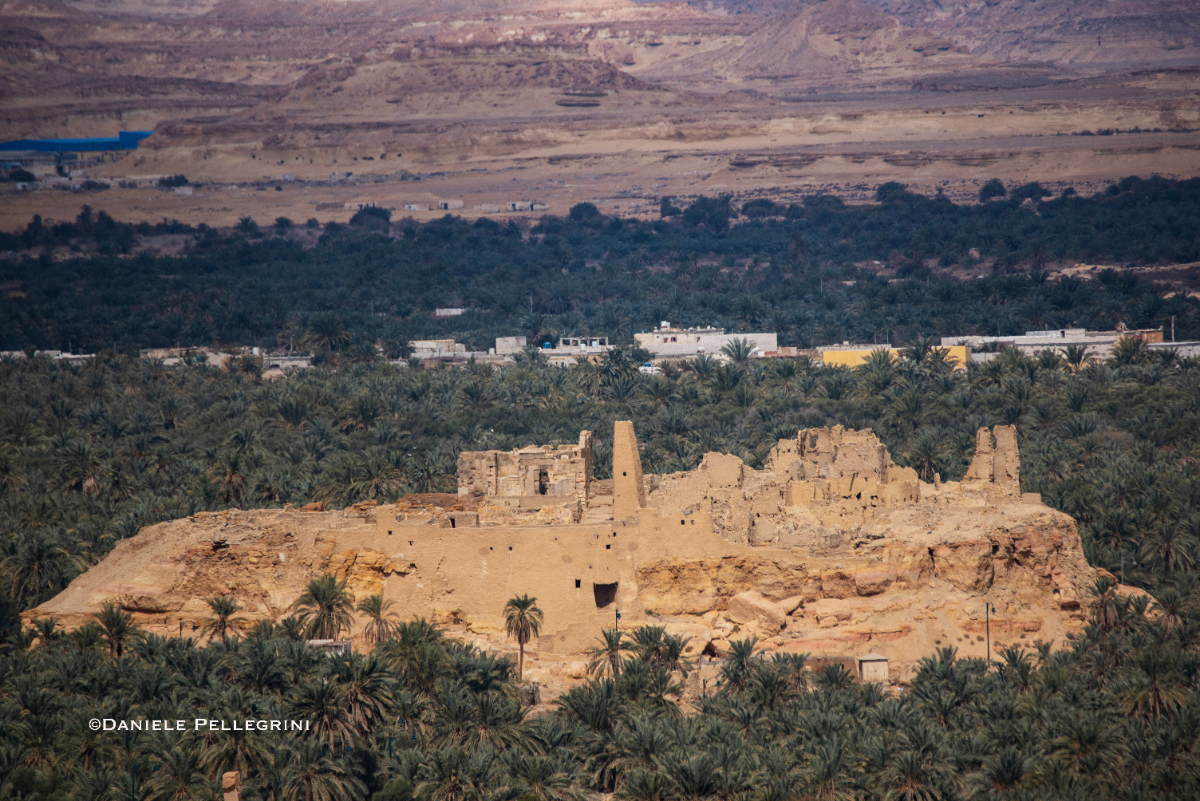
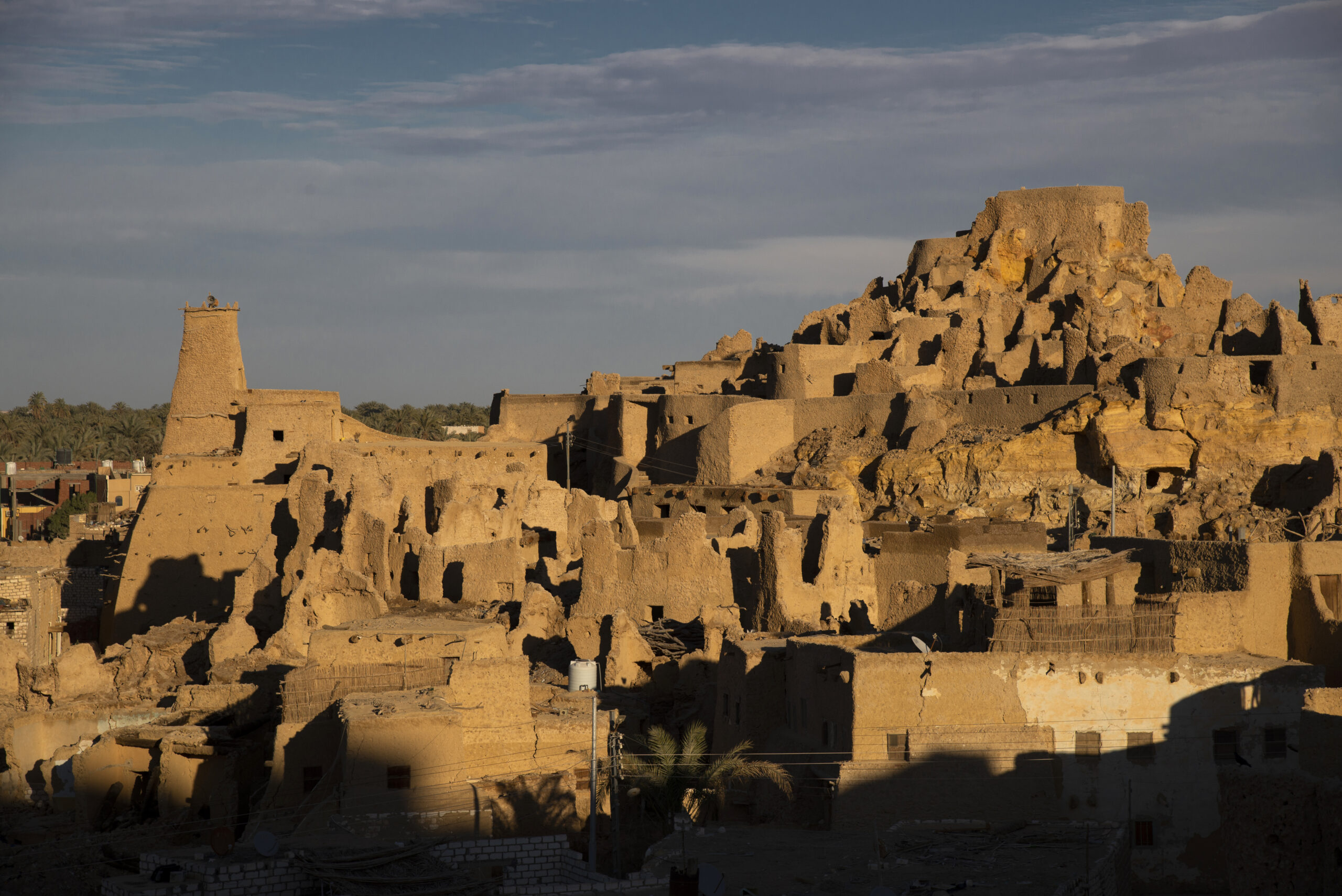
The Siwa Oasis is a fertile depression 300 km southwest of the Mediterranean and 170 km east of the Libyan border. The fortress of Shali was built during the Mamluk period, around 1200 AD, on a hill to ward off Bedouin attackers. Siwa, as one of the last surviving oases on the planet, is an environmentally fragile ecosystem characterised by a unique cultural and architectural heritage.
Nowhere else in Egypt can one find buildings made of rock salt and clay, or a population whose first language is Berber. Over the years, as Egypt became more secure and Bedouin attacks were contained, Shali was steadily abandoned in favour of more spacious areas, prompting the fortress’s steady deterioration.
As a result, over time, the Oasis developed its own unique Siwan language; local customs and traditions; decorative and folk arts; and architecture.
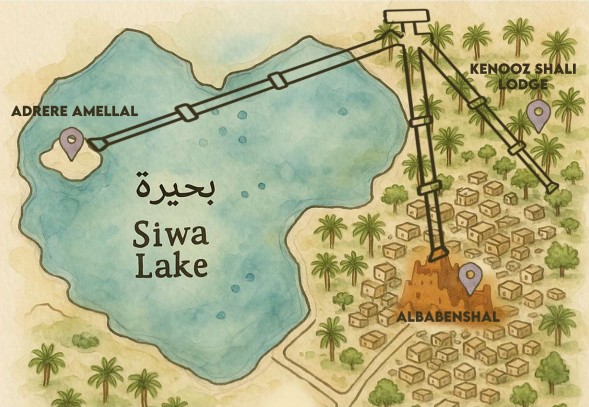
Two feet of the tripod stood in the Siwa village at walking distance from each other: one in the old fortress of Shali, where the Albabenshal Heritage Lodge was born; the second in the midst of a palm grove where the Kenooz Village Lodge resides; while the third leg sailed away towards the suburban oasis of the White Mountain, at the foot of the flat-topped holy mound of Adrère Amellal, where the Nature Lodge named after the mound came to life.
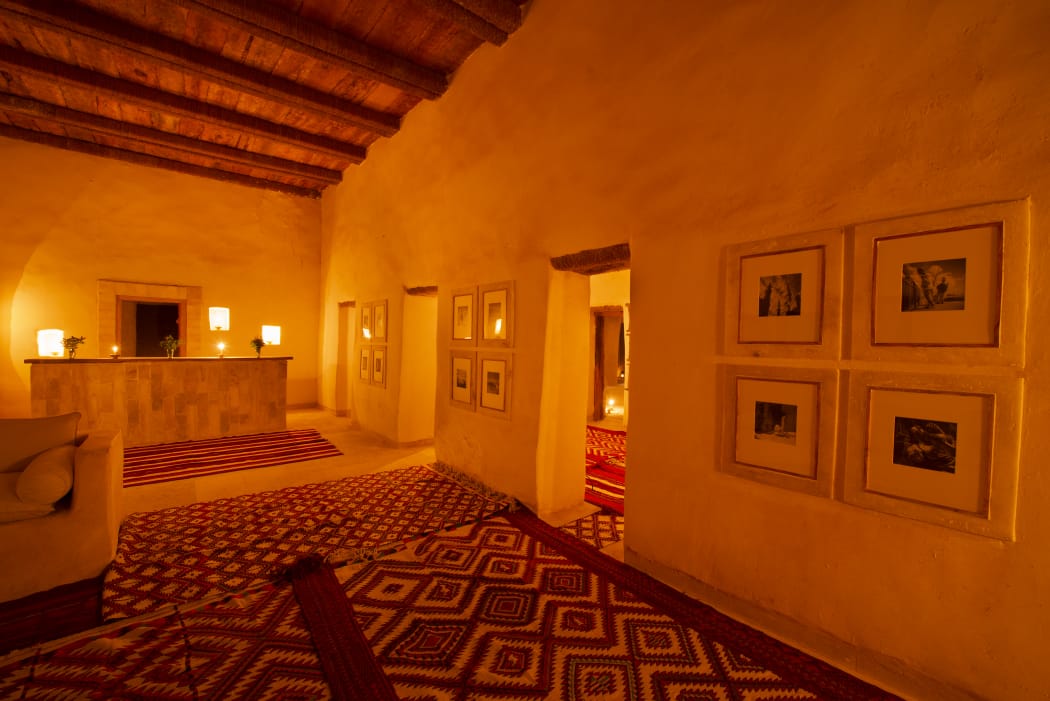
All three shared the same genome — the organic planning context in which they evolved, the earthen architectural style adopted, and their reliance on the Siwan community to both manage and operate each of the “homes away from home,” deriving maximum benefit from the value of what already existed on each site.
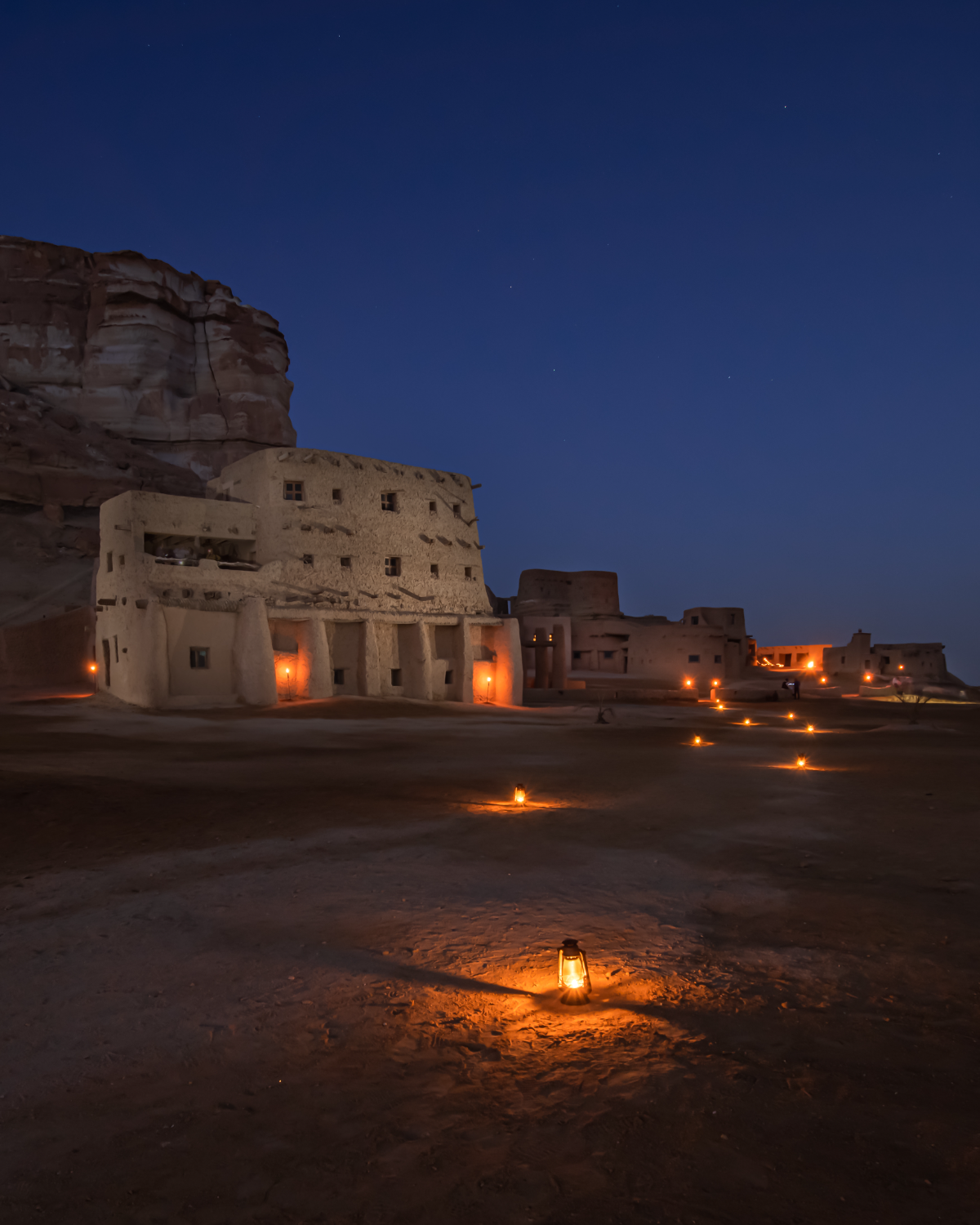
At the foot of the flat-topped holy mound, towards the suburban oasis of the White Mountain — the third leg of the tripod.
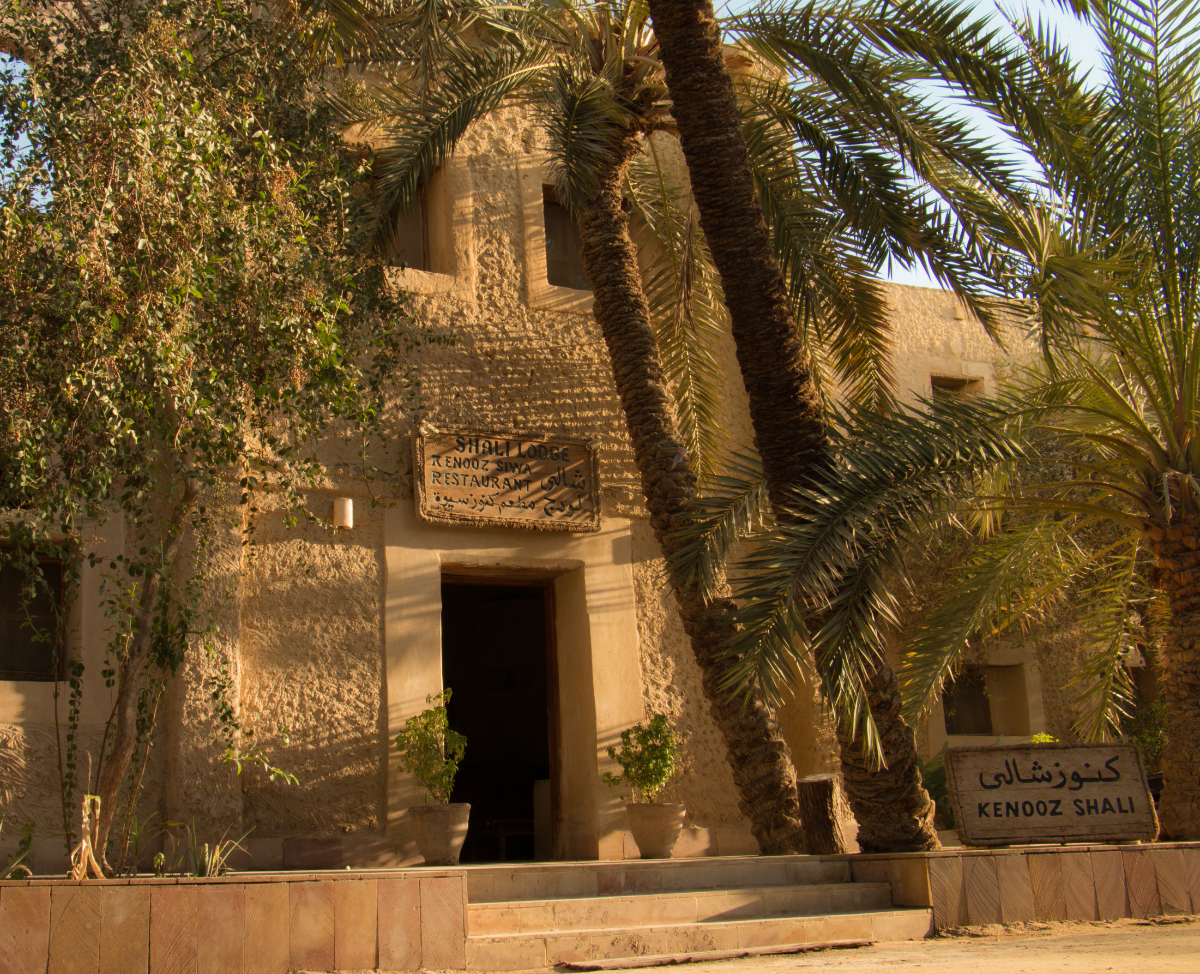
In the midst of a palm grove — a green retreat operated by the Siwan community in the organic context in which it evolved.
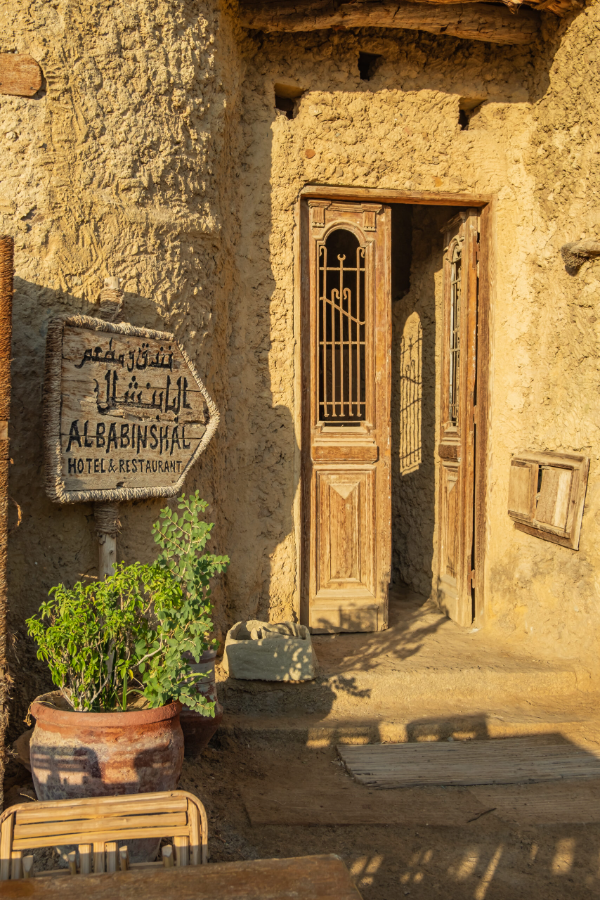
Born within the old fortress of Shali, woven into the salt-and-clay walls of the abandoned town — the first foot of the tripod.
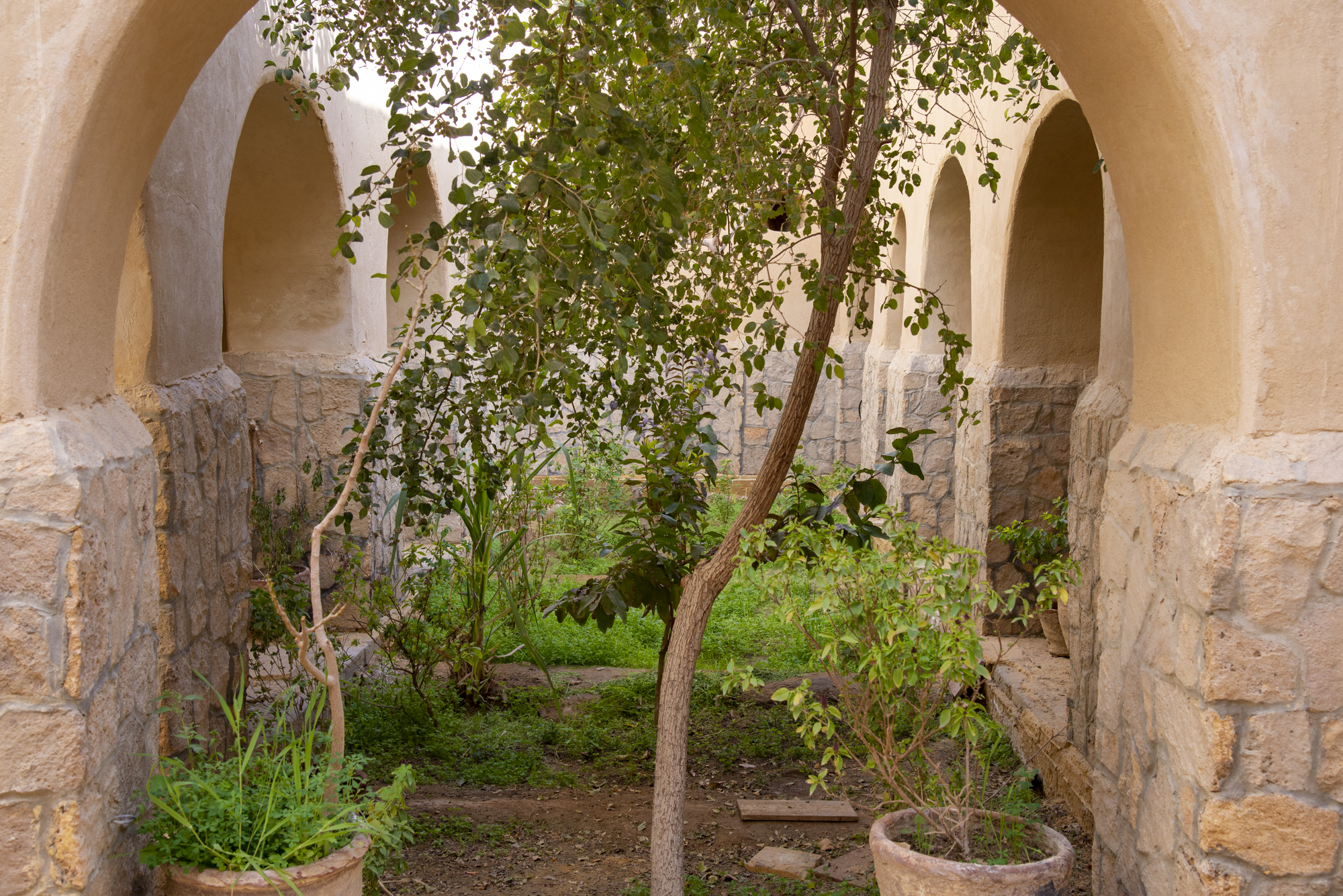

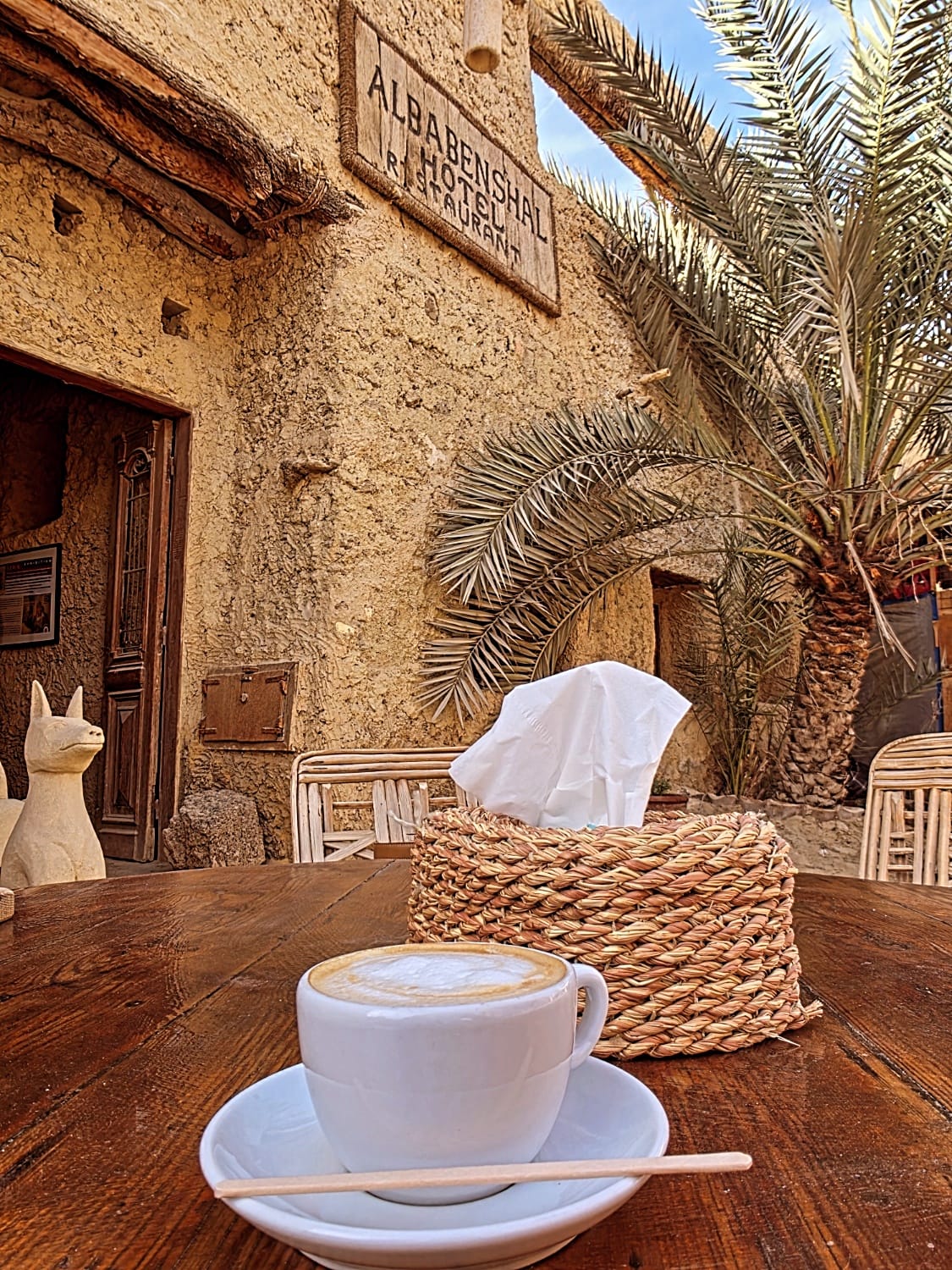


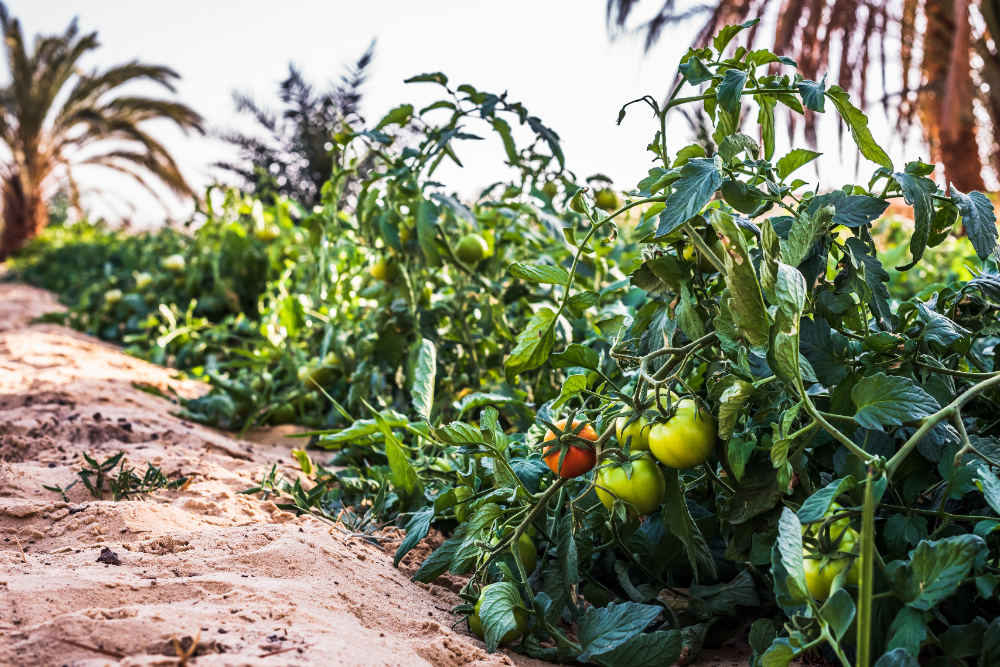
In the heart of Siwa, our culinary spaces offer simple, rooted experiences shaped by place and tradition.
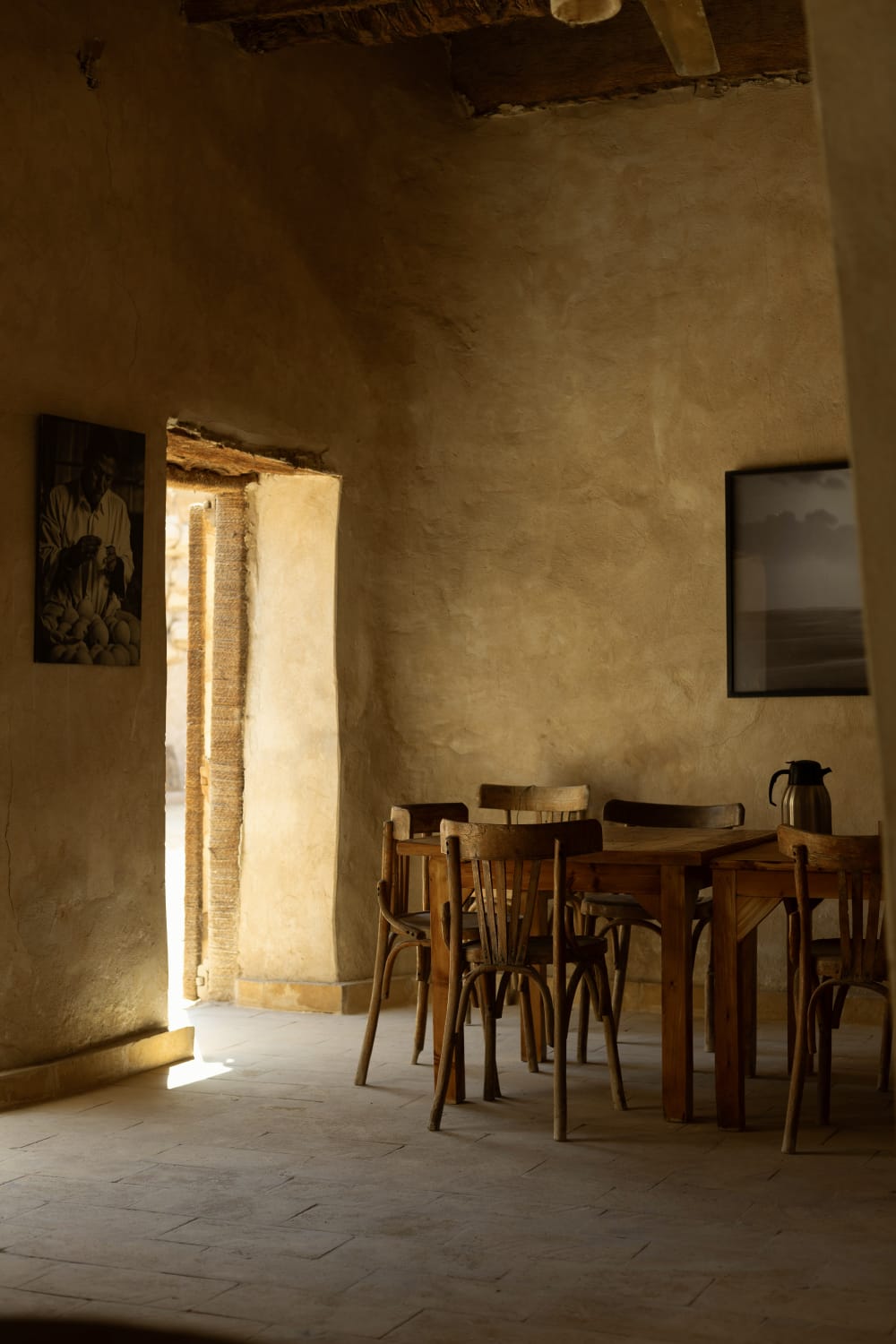
At the base of the Shali Fortress, where guests gather for warm meals as the sky shifts into dusk.
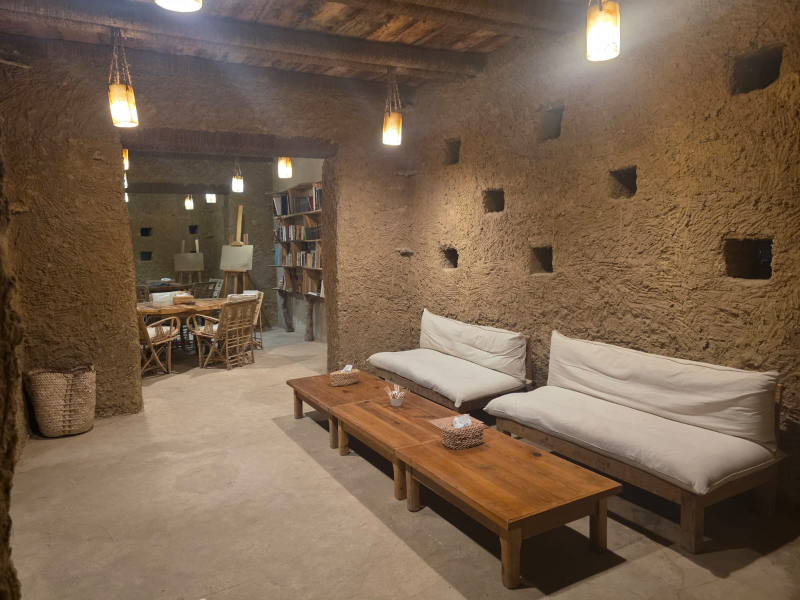
A quiet lounge for books and coffee beside the fortress — pair a chapter of Entracte Siwa with mint tea as the afternoon slows.
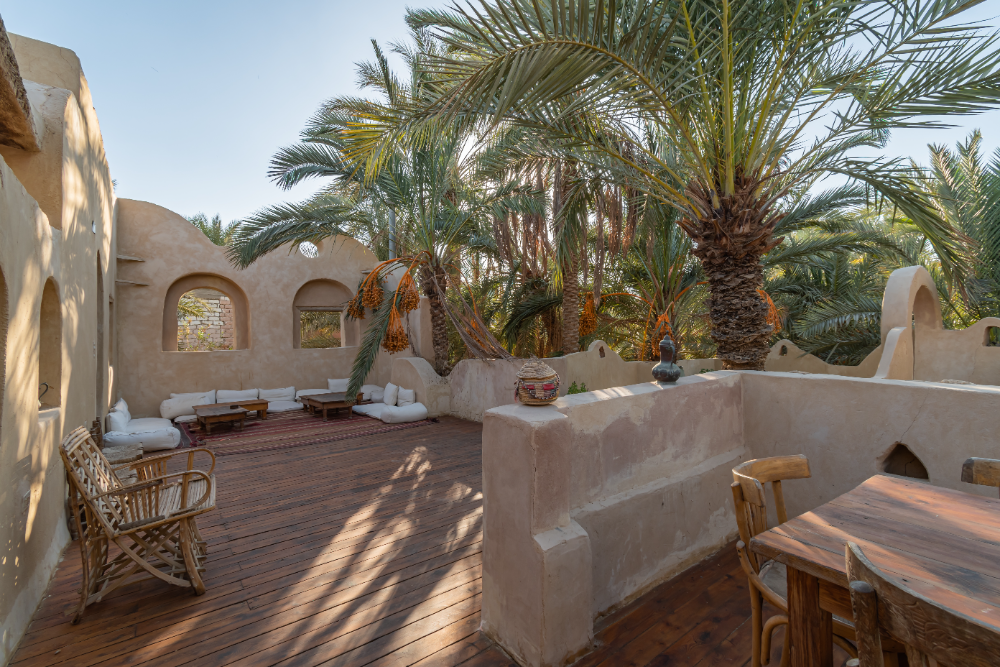
Lunch served beneath magical palm trees rising up in the middle of nowhere.
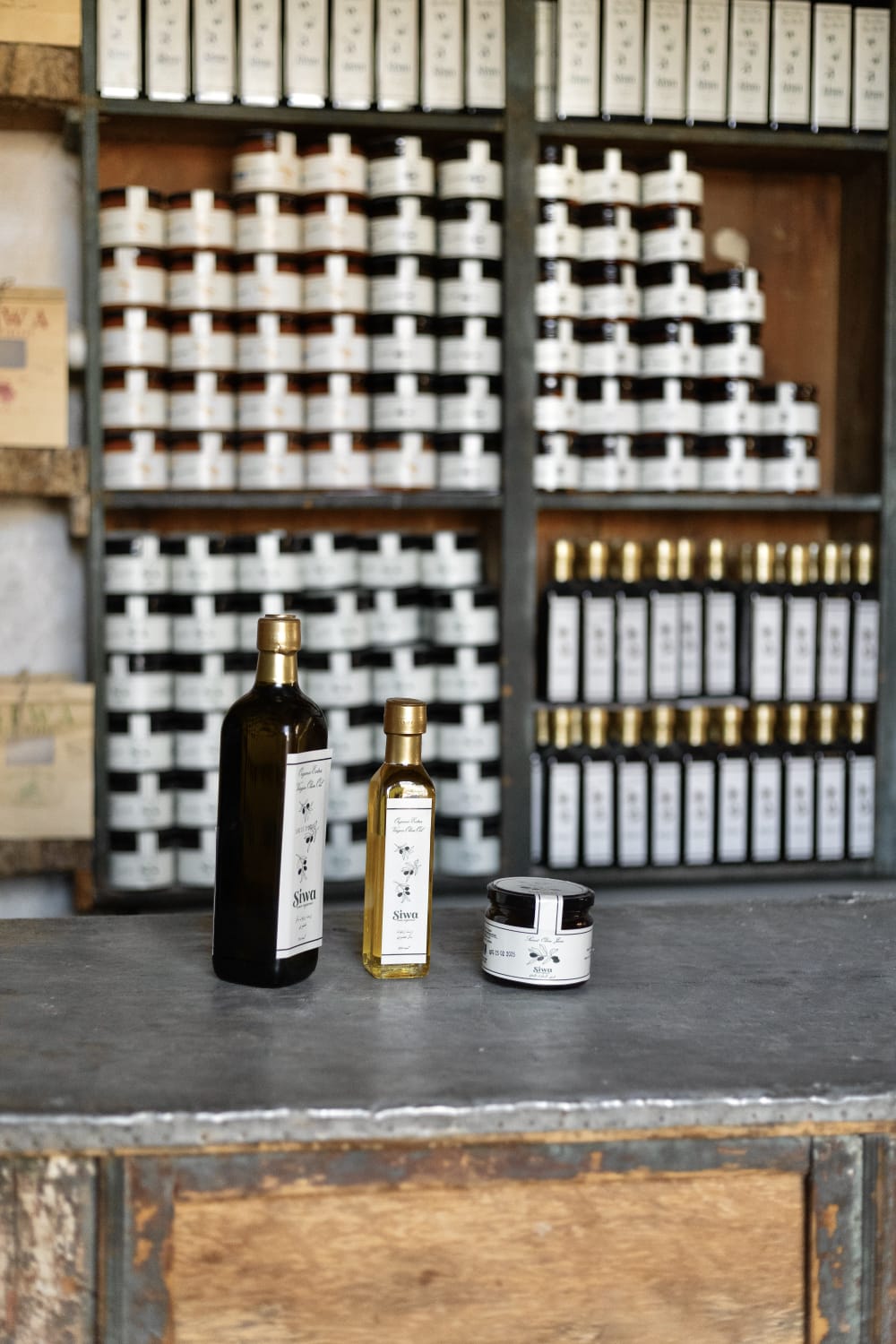
Harvested and pressed in Siwa, where water bubbles up from beneath the earth to feed the orchards — an exquisite selection of delicately crafted agro-culinary goods and organically grown produce, made with the local Siwi communities.